
Guides
Niche vs designer perfume: what is the difference?
Designer fragrances come from fashion houses; niche fragrances come from houses that only make perfume. Here is what that changes in the bottle, where the lines blur, and how to compare the two fairly.
On this page10 sections
"Niche" has become one of the most used words in fragrance, and one of the least explained. It is often treated as a synonym for better, rarer or more expensive, and none of those is quite right. The real difference between niche and designer perfume is about who makes it and why, and once you understand that, it becomes much easier to decide which fragrances are worth your time.
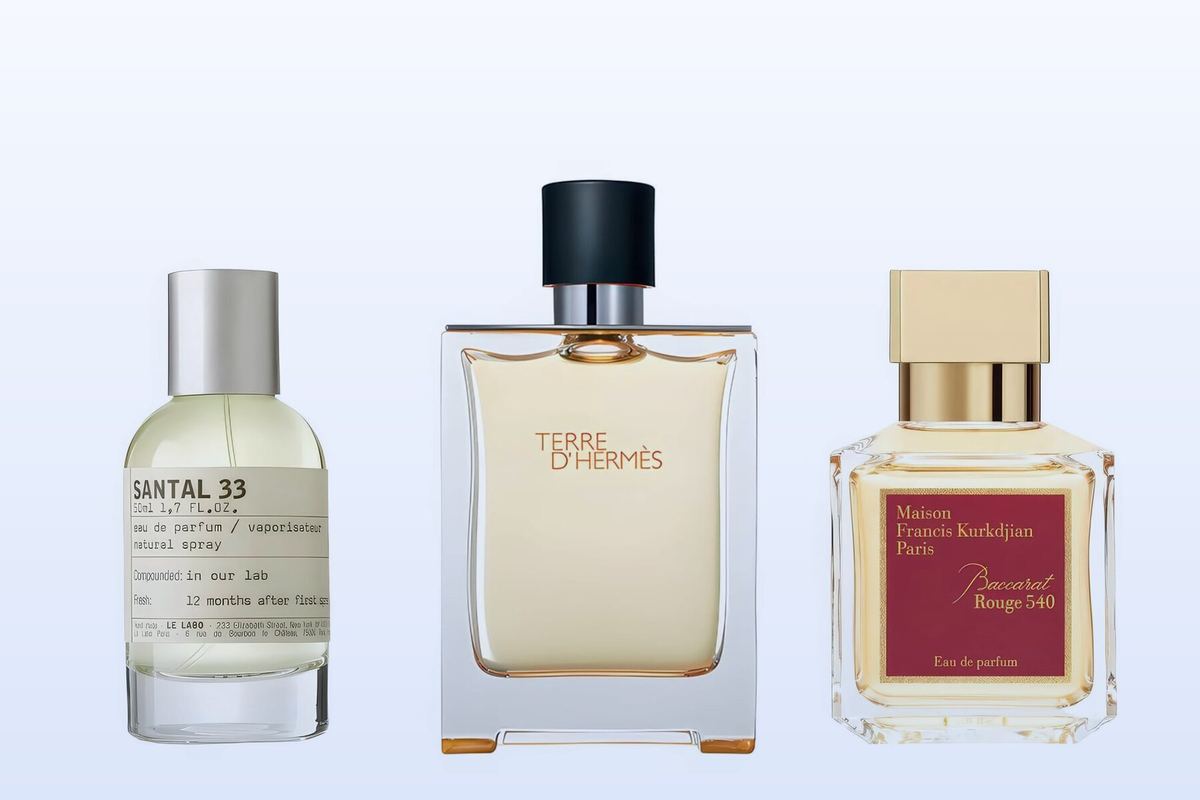
Designer and niche to compare
Fragrances named in this guide, from both worlds, so you can compare them side by side.
Hermès
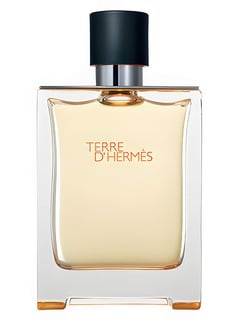
Terre d'Hermès
Designer, fresh and woody: orange, grapefruit, pepper and vetiver.
3ml · 10ml · 30ml
Byredo
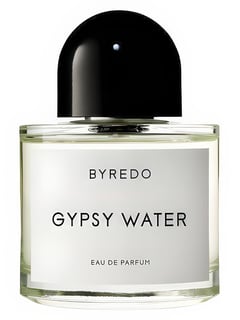
Gypsy Water
Niche, fresh and woody: juniper, pine needles, incense and sandalwood.
3ml · 10ml · 30ml
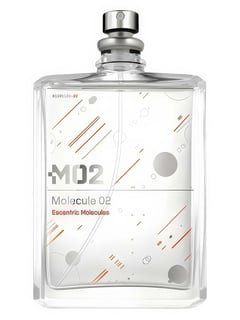
Escentric Molecules
Molecule 02
Niche, built around a single aroma molecule: ambroxan.
3ml · 10ml · 30ml
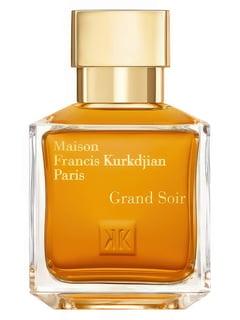
Maison Francis Kurkdjian
Grand Soir
Niche amber: labdanum and benzoin over vanilla and tonka.
3ml · 10ml
What is a designer fragrance?
A designer fragrance is made by a house whose main business is something else, usually fashion. Dior, Yves Saint Laurent, Giorgio Armani, Prada, Versace and Dolce&Gabbana all make perfume, but they are known first for clothes and accessories.
Many designer fragrances are developed and produced under licence by large fragrance and beauty companies, which then distribute them through department stores, perfumeries and airports around the world. That scale shapes the fragrances themselves. A designer launch has to appeal to a very wide audience in many countries at once, so the most successful ones tend to be polished, easy to like and easy to wear.
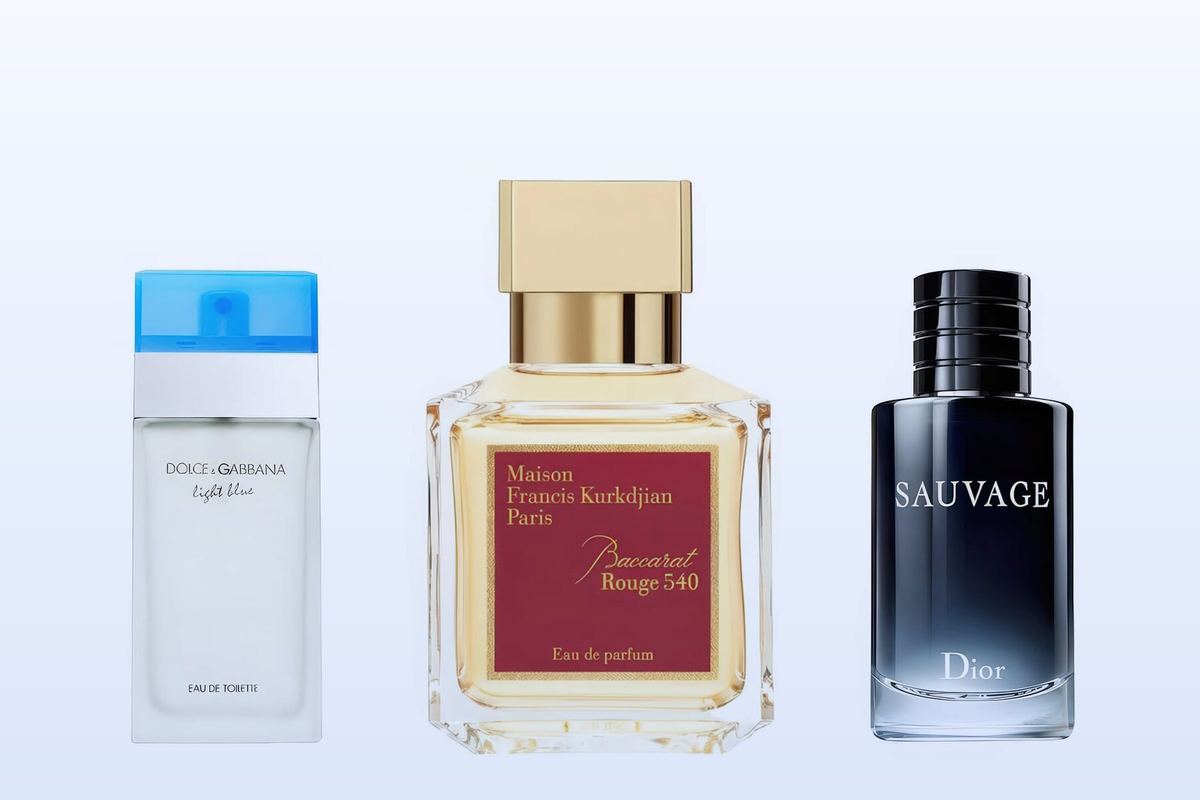
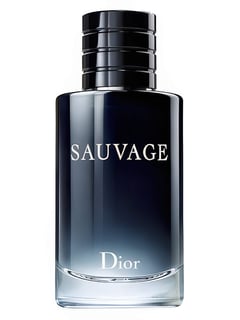
That is not a criticism. Some of the most loved perfumes ever made are designer fragrances: Sauvage, Light Blue and Black Opium are popular for good reason. They are built to smell good on almost everyone, in almost any setting.
What is a niche fragrance?
A niche house makes perfume as its main craft. Houses such as Maison Francis Kurkdjian, Amouage, Byredo, Le Labo, Diptyque, Nishane and Xerjoff exist to make fragrance first, and they usually sell through far fewer doors than a designer brand.
Smaller distribution gives a niche house room to take risks. A fragrance does not have to please everyone, so it can be built around a single unusual material, a smoky or animalic accord, or a structure that ignores the classic top, heart and base pyramid. Some niche perfumes are challenging on first sniff and become favourites after a week; others are simply beautiful and quiet.
What actually changes in the bottle
The label on the box does not change the chemistry, but the approach behind it often shows up in a few ways.
- The brief. Designer fragrances usually aim for broad appeal. Niche fragrances more often aim for a point of view, which can mean more character and more polarising results.
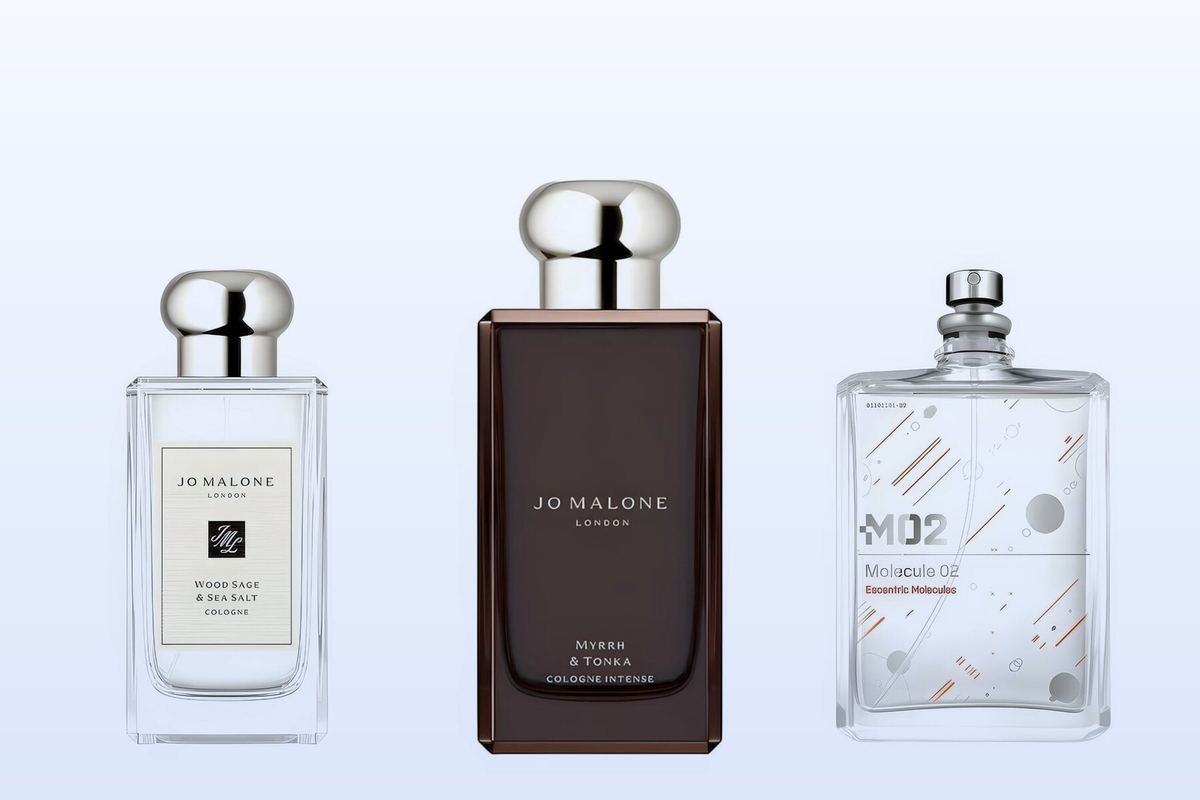
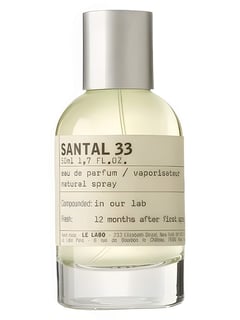
- The structure. Many niche perfumes are built around one idea. Santal 33 is essentially a study of sandalwood, cedar and leather; Molecule 02 is built around a single aroma molecule, ambroxan.
- The concentration and the price. Niche fragrances are often sold as eau de parfum or stronger, and full bottles usually cost more. Price reflects distribution, brand and bottle as much as what is inside, so it is never a reliable guide to quality on its own.
- How often you meet them. You will smell a popular designer scent on strangers regularly. A niche fragrance is less likely to be worn by the next person in the lift, which is part of its appeal for many people.
Where the line blurs
The two categories overlap more than the words suggest, and a few examples show why.
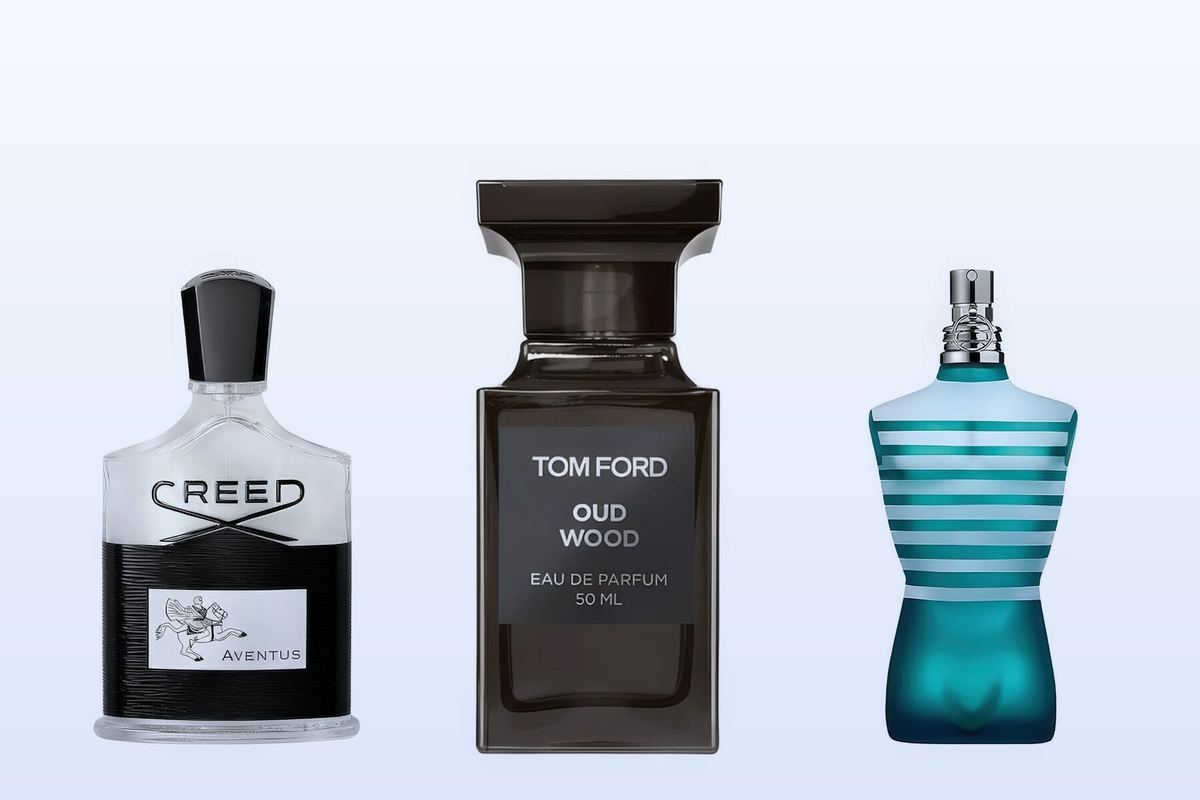
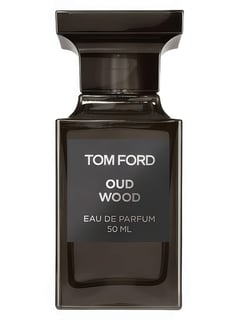
Some designer houses run exclusive lines that behave like niche collections. Tom Ford's Private Blend line, which includes Oud Wood and Neroli Portofino, is sold in fewer places and built with a more distinctive character than the house's mainstream releases.
Some historic perfume houses fit neither box neatly. Guerlain has made fragrance since the nineteenth century and is a perfume house at heart, but it is sold as widely as any designer brand. Hermès is a fashion and leather house, yet fragrances such as Terre d'Hermès and the Jardin series have a perfumer-led signature many niche fans admire.
And some houses often described as niche are now owned by large groups. Ownership changes distribution and budgets, but it does not automatically change the perfumes. The useful question is rarely "is this niche?" It is "do I like how this smells on me?"
Is niche perfume better?
Not automatically. Niche perfumes tend to be more distinctive, and distinctive is not the same as better for you. A beautifully made designer fragrance that you wear every week is a better purchase than a niche bottle that sits on the shelf because it is too much for everyday life.
What niche fragrances do offer is range. If you have worn popular designer scents for years and they have started to feel familiar, the niche world has materials, accords and styles you may never have met: smoky incense, salty mineral notes, green fig, leather, rice, saffron and much more.
How to compare them fairly
The fairest comparison is on your own skin, over several days, with the two side by side. Paper strips and quick sprays in a busy shop favour loud openings and hide how a fragrance develops.
- Pick a pair that shares a theme. For example, a fresh woody designer scent against a fresh woody niche one, such as Terre d'Hermès against Gypsy Water, or an amber designer favourite against an amber niche one.
- Wear one on each wrist on the same morning and check them at lunch and in the evening.
- Swap sides the next day, so neither always gets the warmer wrist.
- Notice which one you keep smelling, not which one impressed you most in the first minute.
Small decants make this easy: a 3ml is about 60 sprays and a 10ml about 200, enough to wear each contender for a week or more. You can browse our niche perfumes collection alongside the best sellers, which lean towards the designer classics, and build your own comparison.
Four pairs to start with
If you want a ready-made comparison, these pairs share a theme, so the difference you notice comes from the approach rather than from two unrelated styles.
- Fresh and woody: Terre d'Hermès, with its orange, grapefruit, pepper and vetiver, against Gypsy Water, which pairs juniper and pine needles with incense, sandalwood and vanilla.
- Warm amber: Black Opium, coffee and vanilla over patchouli, against Grand Soir, a labdanum and benzoin amber with vanilla and tonka.
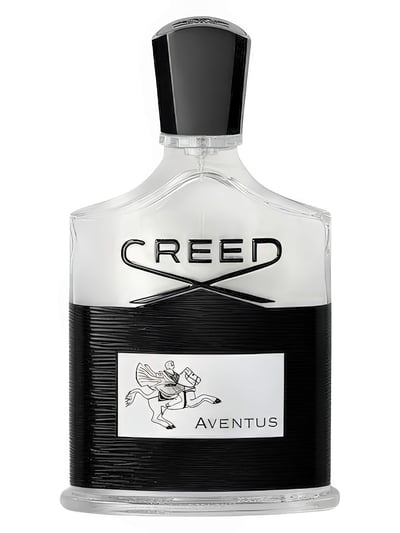
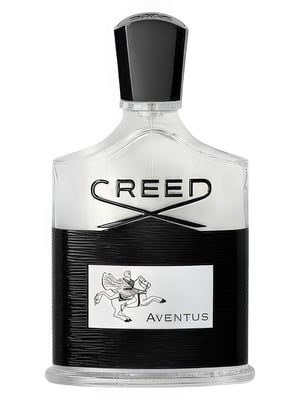
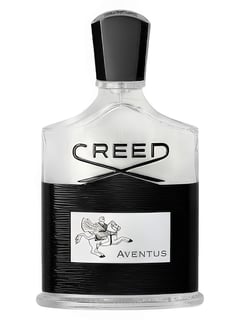
- Fruity and smoky: Sauvage, bergamot and pepper over ambroxan and cedar, against Aventus, apple and pineapple over birch, oakmoss and musk.
- Soft skin scents: Light Blue, Sicilian lemon, apple and cedar with a musky base, against Another 13, apple and pear over ambroxan, jasmine, moss and musk.
In each pair, notice which one feels more familiar and which one makes you stop and think. Neither reaction is wrong; it simply tells you which world you enjoy more.
The bottom line
Designer perfumes are made to please many people; niche perfumes are made to please the perfumer first and a smaller audience second. Both can be brilliant, both can disappoint, and the only way to know which one belongs on you is to wear it. Start with a couple of each, give them a week, and let your own skin settle the argument.
Frequently asked questions
- What is the difference between niche and designer perfume?
- Designer fragrances are made by houses whose main business is something else, usually fashion, and are sold very widely. Niche fragrances come from houses that make perfume as their main craft and usually sell through far fewer shops. Niche perfumes tend to be more distinctive; designer perfumes tend to be built for broad appeal.
- Is niche perfume better than designer perfume?
- Not automatically. Niche perfumes are often more unusual, and full bottles usually cost more, but price reflects distribution, brand and packaging as much as what is inside. A designer fragrance you love and wear every week is a better choice than a niche one that feels like too much.
- Is Tom Ford niche or designer?
- Tom Ford is a designer house, but its Private Blend line, which includes Oud Wood and Neroli Portofino, is sold in fewer places and built with a more distinctive character, so it sits closer to niche. The two categories overlap more than the words suggest.
- How should I compare a niche and a designer fragrance?
- On your own skin, over several days. Choose two fragrances that share a theme, wear one on each wrist on the same morning, check them at lunch and in the evening, and swap sides the next day. Small decants make this easy: a 3ml decant holds around 60 sprays and a 10ml decant around 200.
Try before the bottle
Wear it for a week, not ten seconds.
Designer and niche fragrances in 10 ml decants, so you can live with a scent before you commit.
Shop decants