Sauvage Extrait sample: a 3ml test against 4 other Sauvages
A Sauvage Extrait sample in 3ml gives you around 60 sprays to follow its bergamot, lavender and oud on skin. See how it differs from Elixir, Parfum, Eau de Parfum and Sauvage, then run a three-day test.
In this guide
A Sauvage Extrait sample is a small decant of Dior's 2026 Extrait de Parfum, filled from the original bottle, so you can wear its bergamot, lavender and oud on your own skin before buying a full bottle. 10ML fills Sauvage Extrait as a 3ml decant for €12.78 and a 10ml decant for €38.70. Dior sells several versions under one name, so this guide keeps them apart. It covers what the Extrait smells like, how its notes differ from Elixir, Parfum, Eau de Parfum and the original, and a three-day wear test with the Elixir on the other wrist.

What Sauvage Extrait smells like
Sauvage Extrait is a men's Extrait de Parfum launched in 2026 and credited to Francis Kurkdjian. Its top notes are bergamot and lavender, so it begins in the same citrus and aromatic territory as the rest of the line. The heart is a single note, oud, which is the first sign that this is a different composition rather than a stronger version of an older one.
The base is vetiver, cedarwood and patchouli. In plain words, the perfume moves from a bright, herbal start to a dark wood centre, then settles into a dry, earthy finish. The listed accords agree: woody, aromatic, lavender, amber, patchouli, earthy, musky, fresh spicy, citrus and warm spicy. Vetiver gives the base its dry, grassy-woody backbone.
Follow it in three stages when you wear it. In the first minutes, notice the bergamot and lavender. After an hour, check whether the oud has become the main impression. In the evening, look for the vetiver, cedarwood and patchouli that remain. An Extrait de Parfum is the most concentrated strength, and our guide to what extrait de parfum means explains what that changes and what it does not.
Sauvage Extrait and four Sauvages to wear it against
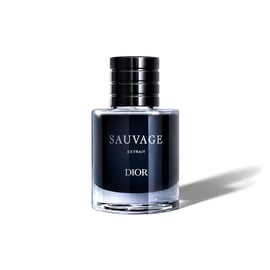
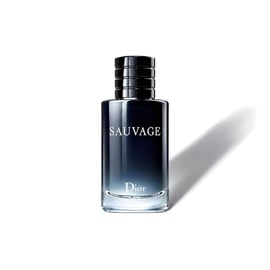
Sauvage Extrait comes first, followed by four other Sauvage versions that 10ML stocks, each with its own notes.
Dior
Sauvage Extrait
Bergamot and lavender over oud, with vetiver, cedarwood and patchouli in the base.
3ml · 10ml · 30ml
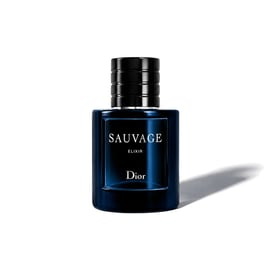
Dior
Sauvage Elixir
Cardamom, cinnamon, grapefruit and nutmeg over lavender, with amber, Haitian vetiver, licorice, patchouli and sandalwood.
3ml · 10ml · 30ml
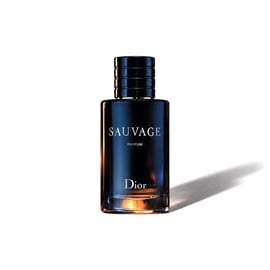
Dior
Sauvage Parfum
Bergamot, mandarin orange and elemi over sandalwood, with olibanum, tonka bean and vanilla.
3ml · 10ml · 30ml
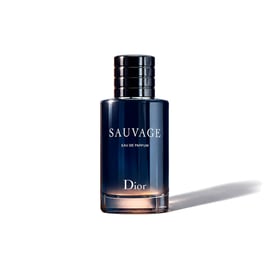
Dior
Sauvage Eau de Parfum
Bergamot over Sichuan pepper, lavender, anise and nutmeg, with ambroxan and vanilla.
3ml · 10ml · 30ml
Dior
Sauvage
Pepper and Calabrian bergamot over Sichuan pepper, lavender, pink pepper and vetiver, with ambroxan, cedar and labdanum.
3ml · 10ml · 30ml
What the community votes say
On longevity, community votes lean long lasting, then eternal. On sillage, most community voters rate it strong. These are reports from voters, not a promise of how it will perform on your skin.
Community voters most often pick winter and autumn, with evening and night as the hours. That is a cooler-weather, after-dark profile, so test it in the conditions the votes point to as well as on an ordinary day. A warm room and a cold street can make the same perfume read very differently.
How Sauvage Extrait differs from four other Sauvages
Dior's line is not a ladder of one scent at different strengths. Each version has its own notes and its own launch year, and the Extrait is credited to Francis Kurkdjian where the four below credit François Demachy, so a sibling's name tells you little about what the Extrait smells like. The table sets five of the Sauvage versions 10ML stocks next to each other, from their published note lists.
| Version | Launched | Top | Heart | Base |
|---|---|---|---|---|
| Sauvage Extrait | 2026 | Bergamot, lavender | Oud | Vetiver, cedarwood, patchouli |
| Sauvage Elixir | 2021 | Cardamom, cinnamon, grapefruit, nutmeg | Lavender | Amber, Haitian vetiver, licorice, patchouli, sandalwood |
| Sauvage Parfum | 2019 | Bergamot, mandarin orange, elemi | Sandalwood | Olibanum, tonka bean, vanilla |
| Sauvage Eau de Parfum | 2018 | Bergamot | Sichuan pepper, lavender, anise, nutmeg | Ambroxan, vanilla |
| Sauvage | 2015 | Pepper, Calabrian bergamot | Sichuan pepper, lavender, pink pepper, vetiver, patchouli, geranium, elemi | Ambroxan, cedar, labdanum |
Sauvage Extrait by Dior against Sauvage Elixir by Dior
The Elixir is the nearest on the community votes, as the next paragraph shows, and on paper it shares lavender, vetiver and patchouli with the Extrait. The difference is in the opening and the middle. The Elixir lists cardamom, cinnamon, grapefruit and nutmeg on top, and its base adds amber, licorice and sandalwood, so its accords read warm spicy and fresh spicy with a powdery, balsamic side. The Extrait lists no spice notes: its middle is oud, and woody, aromatic and lavender come first among its accords. If you know the Elixir, the Extrait trades the spice notes for wood on paper.
Most community voters rate the Elixir's longevity long lasting. Most community voters rate its sillage strong. The Extrait's votes lean the same way on both. Voters also pick both most often for autumn and winter, with evening as the top hour, so the two sit close on the votes even though they differ on paper. Our comparison of the Elixir and its siblings goes through the wider line in more detail.
Sauvage Extrait against Sauvage Parfum
The Parfum takes a different road. Its top is bergamot, mandarin orange and elemi, its heart is sandalwood, and its base is olibanum, tonka bean and vanilla. Its accords lean citrus, woody, amber and vanilla, with a sweet, powdery and balsamic side. The Extrait shares the bergamot, but it replaces the vanilla and tonka sweetness with oud, vetiver and cedarwood. These two share a name and a house, and little else on the note list.
Sauvage Extrait against Sauvage Eau de Parfum and Sauvage
The Eau de Parfum and the 2015 original are the fresher pair. Both use Sichuan pepper and lavender in the heart over an ambroxan base, which is why their accords read fresh spicy, citrus and musky. On paper the original shares more of the Extrait's notes than any other version here, bergamot, lavender, vetiver, patchouli and cedar, but sets them around pepper and ambroxan rather than oud. The Extrait leaves out the pepper and the ambroxan and moves toward a deeper, earthier centre. For seasons, community voters most often pick the Eau de Parfum for autumn, spring, winter and summer, and the original for spring and summer, against winter and autumn for the Extrait. If your usual one is a warm-weather daytime scent, the Extrait is the cooler, later option within the same line.
A three-day wear test: Extrait on one wrist, Elixir on the other
A 3ml decant holds around 60 sprays, ample for three careful days. The plan compares the Extrait with the Elixir because their community votes are the nearest match, but you can swap in any of the other three. Use one spray per wrist and check at three set times each day: straight away, an hour in, and in the evening.
- Day one: Extrait on the left wrist, Elixir on the right. Spray once on each, on bare skin, and leave them to develop. Jot down a line at the opening, another after an hour, a third in the evening. Note which one you keep returning to smell.
- Day two: swap the wrists. Put the Extrait on the right and the Elixir on the left. This removes the chance that one wrist, rather than one perfume, is shaping your notes. Keep the same three check-ins.
- Day three: wear the Extrait alone. Choose a setting that matches how you would really wear it, such as an evening out in cooler weather. Read your notes from the first two days and decide whether you want its oud and wood in your rotation.
Two things to watch for. First, judge the Extrait after an hour, not on the first spray, because the opening says little about the oud heart and the wood base. Second, write your notes down on the day, since a dry-down is easy to misremember by the end of the week.
What a 3ml and a 10ml decant each give you
Three millilitres is the trial size, about 60 sprays, so the plan above leaves spare for a repeat. At €4.26/ml, it answers two questions: does the Extrait suit you, and does it differ enough from the one you already know?
Ten millilitres gives about 200 sprays, which suits weeks of regular wear. At €3.87/ml, it is the step to take once the wear test has settled the matter. Sizes are laid out on the perfume samples page, and the decant explainer shows how the format works.
| Perfume | 3ml decant | 10ml decant |
|---|---|---|
| Sauvage Extrait | €12.78 | €38.70 |
| Sauvage Elixir | €11.97 | €35.28 |
| Sauvage Parfum | €8.91 | €26.91 |
| Sauvage Eau de Parfum | €8.91 | €26.91 |
| Sauvage | €8.10 | €23.40 |
Which one should you sample first?
Begin with the Extrait if oud, vetiver and cedarwood are what you came for, and pair it with the Elixir if you want to hear the difference between a spiced and a woody Sauvage. Choose the Parfum if you prefer vanilla and tonka warmth, and the Eau de Parfum or the original Sauvage for a fresher, peppery daytime scent. For the wider Dior range, see the best Dior perfumes and the Dior brand page.
If you want to try originals from other houses in a similar style, see similar originals to Sauvage Extrait; here the focus stays on the Dior originals you can wear first in 3ml or 10ml. 10ML is independent and not affiliated with or endorsed by Dior.
The bigger picture: Best perfume for women 2026: 23 picks, classic to new and Best perfume for men 2026: 23 picks, classic to new.
Frequently asked questions
- Where can I get a Dior Sauvage Extrait sample?
- 10ML sells it filled from the original bottle as a 3ml decant for €12.78 or a 10ml decant for €38.70. The 3ml gives around 60 sprays for discovery, while the 10ml decant gives around 200 sprays for weeks of wear.
- What does Sauvage Extrait smell like?
- It opens with bergamot and lavender, has oud in the heart and settles on vetiver, cedarwood and patchouli. Its accords are woody, aromatic, lavender, amber, patchouli and earthy, so it moves from a bright start to a dry, dark-wood finish.
- How is Sauvage Extrait different from Sauvage Elixir and Sauvage Parfum?
- Each has its own note list. The Elixir opens with cardamom, cinnamon, grapefruit and nutmeg, and the Parfum with bergamot, mandarin orange and elemi over sandalwood, tonka bean and vanilla, while the Extrait puts oud in the heart over vetiver, cedarwood and patchouli.
- Is a 3ml decant enough to judge Sauvage Extrait?
- Yes, a 3ml decant holds around 60 sprays, enough for a three-day test. Judge it after an hour rather than on the first spray, then again in the evening; a 10ml decant, around 200 sprays, is the next step for regular wear.
- Which Sauvage should I wear Sauvage Extrait against?
- The Elixir, because its community votes on longevity, sillage and season sit nearest to the Extrait's, and it shares lavender, vetiver and patchouli with it. Wear the Extrait on one wrist and the Elixir on the other for a day, then swap wrists the next day to check the difference is the perfume and not the skin.
- Does Sauvage Extrait suit summer?
- Community voters most often pick it for winter and autumn, and for evening and night wear, so it points to cooler weather. The 2015 original and the Eau de Parfum have broader or warmer season votes, which is why a wear test in your own climate helps.
Wear it for a week, not ten seconds.
Designer and niche fragrances in 10ml decants, so you can live with a scent before you commit.
Shop decantsMore on perfume houses
Best Dior perfume for women, for men and to share
There is no single best Dior perfume. This guide sorts the house into a women's, a men's and a shared wardrobe, with scents, moments and a 3ml way to compare.
Armani I Will sample: a 3ml wear test and 4 Armanis to compare
An Armani I Will sample in 3ml gives you around 60 sprays to follow its cardamom, lavender, vanilla and leather on skin. Run a five-day test, then compare four other Armani originals.
Best Jean Paul Gaultier perfumes: Le Male, Scandal, La Belle and the rest, for him and for her
Jean Paul Gaultier perfumes fall into a few families, each with sweeter, fresher or stronger versions. Here is how Le Male, Le Beau, Scandal, La Belle and Divine Elixir differ, and how to try one.
Keep reading
Best perfume for men 2026: 23 picks, classic to new
The best perfume for men is the one in the style you already reach for. Twenty-three men's perfumes by style, compared side by side, an "if you wear this, try that" ladder, and what aftershave means.
Prada Paradoxe: the original vs 6 alternatives
Six Prada Paradoxe dupes compared on the pear, neroli and amber they share and where each one drifts. 10ML sells the original Prada Paradoxe as a 3ml or 10ml decant to wear first.
10ML Price-per-ml Index 2026: what perfume costs per ml
What perfume costs per ml in 2026: medians at 3ml, 10ml and 30ml, niche vs designer, and official full-bottle prices of the same perfumes. Free CSV and JSON.