Perfume layering: a simple guide, with pairings to try
Layering two fragrances can give you a scent nobody else wears. These are the rules that make it work, the mistakes that make it muddy, and five pairings built from real notes.
In this guide
Layering means wearing two fragrances at once so they blend into a third. Done well, it gives you a scent that is personal, adaptable and a little unexpected. Done badly, it gives you two perfumes arguing on your wrist. The difference is not talent; it is a handful of simple rules, a bit of patience, and small bottles you are happy to experiment with.
Why layer at all?
There are three good reasons to try it.
- To make something personal. Two well-known fragrances worn together rarely smell like either one on its own, so the result is yours.
- To adjust a scent you almost love. A fragrance that is too sweet can be lifted with something fresh; one that fades too fast can be anchored with a richer base.
- To stretch a small wardrobe. Three or four scents that layer well give you many more combinations than three or four scents worn alone.
Fragrances for the pairings
Every fragrance used in the five pairings above, so you can try each combination.
Jo Malone London
Myrrh & Tonka
Lavender and myrrh over almond, tonka and vanilla. A warm base layer.
3ml · 10ml · 30ml
Jo Malone London
Wood Sage & Sea Salt
Grapefruit, sage and sea salt over ambrette and seaweed.
3ml · 10ml · 30ml
Escentric Molecules
Molecule 02
Built around one molecule, ambroxan. Layers under almost anything.
3ml · 10ml · 30ml
Hermès
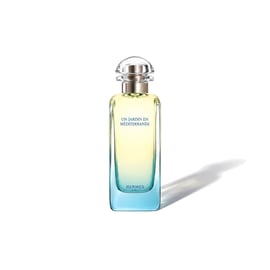
Un Jardin en Méditerranée
Citrus and orange blossom over fig leaf, cypress and cedar.
3ml · 10ml · 30ml
Guerlain
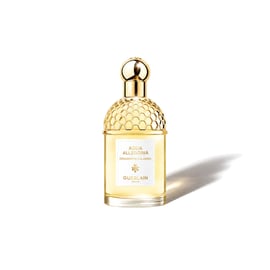
Aqua Allegoria Bergamote Calabria
Bergamot and petitgrain with ginger over white musk.
3ml · 10ml · 30ml
Escentric Molecules
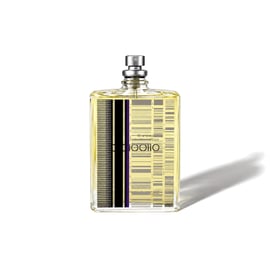
Escentric 01
Lime and pink pepper, jasmine and orris over a clean musk.
3ml · 10ml · 30ml
The five rules of layering
1. Heavier first, lighter on top
Apply the richer, denser fragrance first and let it settle for a minute, then add the lighter one over it. Woods, amber, vanilla, incense and musk go underneath; citrus, green notes, florals and fresh accords go on top. Reverse the order and the heavy scent tends to swallow the light one.
2. Find a bridge note
The easiest pairings share at least one note. A vanilla in the base of one and a vanilla in the heart of the other, or citrus in both openings, gives the two scents something in common, so they read as one fragrance rather than two. Our product pages list the notes of each fragrance, which makes finding a bridge straightforward.
3. Start with simple fragrances
Two complex perfumes with fifteen notes each rarely layer cleanly. The most reliable layering scents are simple ones: a single wood, a musk, a clean vanilla, a sharp citrus. Fragrances built around one idea make ideal partners because they add a direction without adding noise.
4. Use fewer sprays than usual
Two fragrances at your normal dose is double the fragrance. Start with one spray of each and build from there. You can always add; you cannot take away.
5. Test on skin, over a whole day
Layering changes most in the heart and the drydown, not in the first minute. Try a combination on one wrist, keep the other bare or wearing only one of the two, and compare them at lunch and in the evening before deciding.
Five pairings to try
These pairings are built from the published notes of each fragrance. Treat them as starting points rather than formulas: skin, weather and dose all change the result.
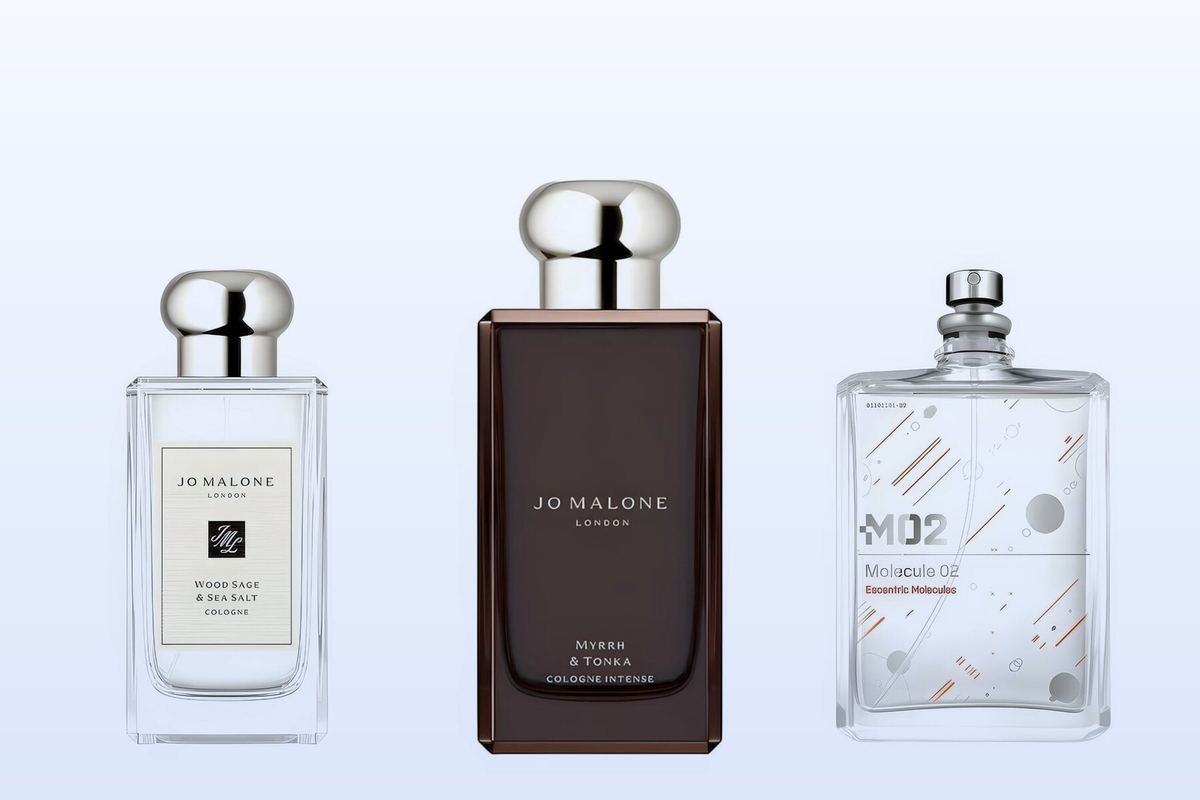
Fresh over warm: Wood Sage & Sea Salt with Myrrh & Tonka
Jo Malone London has long encouraged combining its colognes, and these two show why. Myrrh & Tonka is lavender, myrrh, almond, tonka bean and vanilla; spray it first. Add Wood Sage & Sea Salt, grapefruit, sage, sea salt, ambrette and seaweed, on top. The salt and sage cut the sweetness and the result feels like a warm coat on a windy beach.
A single molecule under anything: Molecule 02
Molecule 02 is built around one aroma molecule, ambroxan, which gives a warm, mineral, slightly salty glow on skin. Because it is so simple, it layers under almost anything. Try it beneath Un Jardin en Méditerranée, a fig leaf and citrus scent, to give a light summer fragrance more depth and staying power.
Two woods: Tam Dao with Santal 33
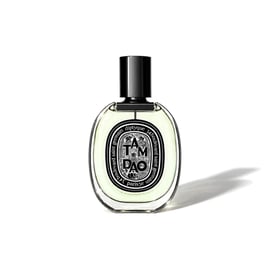
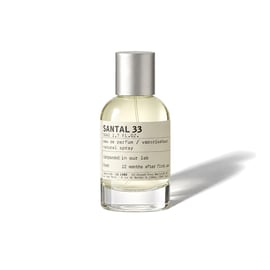
Tam Dao is creamy sandalwood and cedar with a touch of ginger and lime, over amber, musk and vanilla. Santal 33 shares the sandalwood and cedar but adds cardamom, violet, papyrus and leather. Worn together, Tam Dao softens the leather edge and Santal 33 gives Tam Dao more presence. Sandalwood is the bridge.
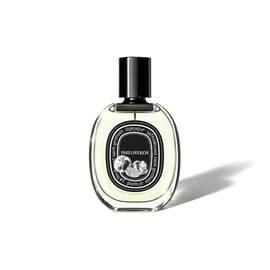
Gourmand and green: Angels' Share with Philosykos
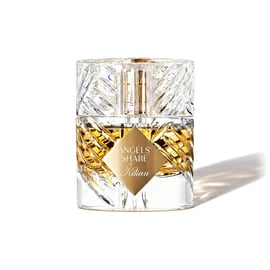
Angels' Share is cognac, cinnamon, tonka, praline and vanilla, rich and boozy. Philosykos is fig, fig leaf, coconut and green sap over cedar. One spray of Angels' Share with one of Philosykos on top turns a dessert of a fragrance into something greener and more wearable by day. The woods in both, oak and sandalwood in one and cedar and fig wood in the other, act as the bridge.
Citrus over musk: Bergamote Calabria with Escentric 01
Aqua Allegoria Bergamote Calabria is bright bergamot and petitgrain with ginger and cardamom, over white musk. Escentric 01 adds lime, pink pepper, jasmine and orris to a clean musk. Both share a musky base, so the citrus stays crisp for longer instead of vanishing in the first hour.
Layering through the seasons
The same two fragrances can behave very differently in July and in January, and layering is a good way to make one wardrobe work all year.
- In warm weather, let the fresh fragrance lead. One spray of the warm base and two of the citrus or green scent on top keeps the blend light while giving it more staying power than the fresh scent alone.
- In cold weather, flip the balance. Two sprays of the richer base and one of the fresh top note give a cosy fragrance a little lift, so it feels less heavy in a warm room after the cold outside.
- From day to evening, add rather than replace. Wear the lighter scent in the morning and add one spray of a warmer partner before going out. A 10ml decant fits in a pocket or small bag for exactly this.
Common layering mistakes
- Stacking two strong scents. Two powerful ambers or two dense ouds usually cancel each other out. Pair a strong fragrance with a light one.
- Mixing clashing families. A sharp aquatic over a heavy gourmand rarely blends; the two sit side by side instead.
- Judging too early. The opening of a layered pair is often the least interesting part. Give it at least an hour.
- Layering on clothes. Fabric holds scent differently from skin and can mark delicate materials. Keep experiments on skin.
Layering with body products
The gentlest way to start is to layer a fragrance over an unscented or matching body lotion. Moisturised skin holds fragrance for longer, and a lotion from the same scent family deepens the base without changing the character. If you want more on this, our guide to making perfume last longer covers it in detail.
Why decants make layering easier
Layering is experimental by nature. Some combinations will be wonderful and some will not, and it is much easier to take that risk with small bottles than with two full flacons. A 3ml decant holds around 60 sprays and a 10ml decant around 200, which is plenty to try a pairing across different days and weather before deciding it belongs in your routine.
Start with one simple fragrance you already love, add one partner that shares a note with it, and go from there. Browse the full collection by note, or read our guide to niche vs designer perfume if you want to explore houses built around single ideas.
Frequently asked questions
- How do you layer perfume?
- Apply the heavier fragrance first, let it settle for a minute, then add the lighter one on top. Choose two scents that share at least one note, start with one spray of each, and judge the result over a whole day on skin rather than in the first minute.
- Which perfume goes on first when layering?
- The richer, denser one: woods, amber, vanilla, incense or musk go underneath, and citrus, green notes, florals and fresh accords go on top. Reversing the order tends to let the heavy scent swallow the light one.
- What perfumes are good for layering?
- Simple fragrances built around one idea layer most reliably: a single wood, a clean musk, a soft vanilla or a single aroma molecule such as the ambroxan in Molecule 02. Two complex fragrances with many notes each rarely blend cleanly.
- Can you layer perfumes from different brands?
- Yes. What matters is the notes, not the brand. Look for a shared note to act as a bridge, such as sandalwood in both Tam Dao and Santal 33, and pair a strong fragrance with a lighter one rather than two strong ones.
Wear it for a week, not ten seconds.
Designer and niche fragrances in 10ml decants, so you can live with a scent before you commit.
Shop decantsMore on wearing perfume
What is sillage? The scent trail, and how it differs from longevity
Sillage is the trail of scent a perfume leaves as you move. Here is how it differs from longevity and projection, and how to read the community sillage vote.
Fragrance notes explained: top, heart and base, and how to read a notes list
Top, heart and base notes show how a perfume changes from first spray to dry-down. Learn to read a notes list, then see it work on five perfumes.
Long-lasting perfumes for women, by what the community votes
Fourteen long-lasting perfumes for women, grouped by style, with each one's community longevity vote stated plainly, and how to see the staying power on your own skin before you buy a bottle.
Keep reading
What is oud? What oud perfume smells like, and sixteen to try from soft to dark
Oud is the dark resin that forms inside agarwood, and in perfume it smells woody, smoky and resinous. What it is, what it smells like, and sixteen oud perfumes laid out as a ladder from soft to dark.
Eau de parfum vs eau de toilette (and extrait): what changes, and which strength to try
Eau de parfum carries more perfume oil than eau de toilette, and extrait de parfum more again, but one name on two strengths often hides two formulas. What each label means, and how to wear both before you choose.
10ML 2026 Perfume Price Report
What the same perfume costs across EU countries, niche against designer per ml, gift sets against bottles: 10ML’s 2026 report, each figure sourced and dated.